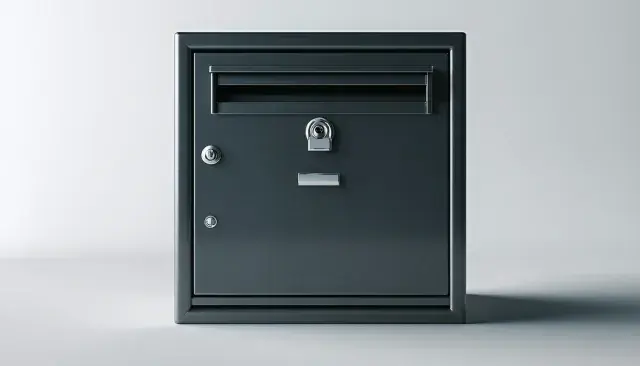

Businesses collecting accounts receivable through checks face a persistent challenge: the mail float, where funds remain unavailable for days after mailing. Lockbox payment systems cut this delay by centralizing receipt at a bank-operated post office box. Customers mail payments there instead of the company's address. Bank personnel open envelopes, deposit checks, scan remittance details, and forward electronic files to the business—all within hours.
This process, known as a lockbox arrangement, transforms payment handling from an internal chore into a streamlined service. Whats a lockbox in practical terms? A lockbox can be described as a(n) secure, dedicated mailbox managed by a financial institution for efficient remittance processing. What is a lockbox used for primarily? Accelerating cash inflows, reducing processing costs, and improving accuracy in high-volume environments like utilities, insurers, and retailers.
Lock box payment methods persist despite digital shifts because checks endure in certain sectors. Companies report collection times dropping by several days, freeing capital sooner. This article details lockbox accounts, operational workflows, advantages, setup steps, and key considerations. Finance managers and treasurers will find actionable guidance to assess fit, negotiate terms, and maximize returns from these systems. Beyond basics, explore variations, risks, and integration with modern treasury tools for comprehensive understanding.
Defining a Lockbox Payment System
What Is a Lockbox?
A lockbox serves as a bank's postal address for customer payments. Businesses direct clients to send checks and invoices there. The bank controls access, ensuring security. This shifts physical handling from company staff to professionals trained for volume processing.
What Is a Lockbox Used For?
Lockboxes handle incoming payments to speed deposits and data capture. They process remittances, match payments to invoices, and generate reports. Firms use them to manage receivables without expanding internal teams.
A Lockbox Can Be Described as a(n)
A lockbox can be described as a(n) outsourced collection point that integrates mail receipt, check deposit, and electronic notification. It acts as an extension of the company's cash management function.
The Lockbox Arrangement Explained
Key Components of the Arrangement
Core elements include the post office box, bank processing center, client data files, and deposit accounts. Contracts specify service levels, fees, and reporting formats. Banks customize based on volume and geography.
Lock Box Payment Processing Flow
Mail arrives at the box multiple times daily. Staff open it, separate checks from stubs, scan documents, deposit funds, and transmit files via secure channels. Businesses receive data by evening for same-day reconciliation.
- Pickup: Timed collections from USPS.
- Extraction: Automated where possible, manual for exceptions.
- Posting: Electronic advice of deposits.
Lockbox Accounts in Action
Types of Lockbox Accounts
Retail lockboxes process low-value, high-volume payments like consumer bills. Wholesale lockboxes manage fewer, higher-value business checks with detailed invoice matching. Hybrid models combine features.
Daily Operations and Reporting
Accounts generate deposit totals, exception logs, and image archives. Clients access portals for real-time views. Reconciliation integrates with ERP systems for automated accounting entries.
Benefits and Advantages of Lockbox Payments
Speed and Float Reduction
Lockboxes eliminate internal mailroom delays, enabling next-day fund availability. This shortens the cash conversion cycle directly.
Cost Efficiency and Risk Mitigation
Outsourcing cuts labor and error rates. Banks provide fraud detection, bonded handling, and insurance against loss. Scale economies lower per-item costs for high volumes.
Scalability for Growth
Systems expand with business without proportional staff increases. Geographic lockboxes serve regional needs efficiently.
Implementing and Managing Lockbox Services
Setup Process
Select a bank partner, define parameters like cutoff times and formats, test runs, then redirect customer instructions. Pilot phases validate workflows.
Common Challenges and Solutions
Challenges include customer adaptation and data mismatches. Solutions involve clear communications, standardized remittance advice, and ongoing audits.
Performance Metrics and Optimization
Track days sales outstanding, deposit accuracy, and service uptime. Adjust based on analytics for continuous improvement.
Frequently Asked Questions
Whats a Lockbox in a Wholesale Context?
Wholesale lockboxes focus on B2B payments with complex invoice matching. Banks handle detailed posting to accounts receivable ledgers, sending comprehensive data files for integration.
How Do Lockbox Accounts Integrate with Accounting Software?
Banks deliver files in formats like BAI2 or EDI. Software imports them for automatic reconciliation, reducing manual entry. APIs enable real-time syncing for advanced setups.
What Are Typical Fees for Lockbox Arrangements?
Fees combine fixed monthly charges with per-item processing costs, often tiered by volume. Negotiate based on projected activity and services like imaging or truncation.
Can Small Businesses Use Lockbox Payments?
Yes, but viability depends on volume. Minimum thresholds apply; shared service options suit lower-activity firms. Evaluate against internal costs for breakeven.
What Happens to Non-Check Payments in a Lockbox?
Lockboxes primarily process paper checks. Electronic payments route separately via ACH or wire. Some providers offer hybrid services forwarding non-check items.
How Secure Are Lockbox Accounts?
Banks employ locked boxes, video surveillance, employee bonding, and encryption for data. Compliance with standards like SOC 2 ensures protection against theft and breaches.